Stay in the loop!
Get the latest industry insights delivered straight to your inbox
Convenience stores have become real meal destinations while restaurants fight for every visit. Here's what the 2026 data shows, where c-stores and QSRs each have the edge, and why execution decides who earns the daily habit.
TransAct
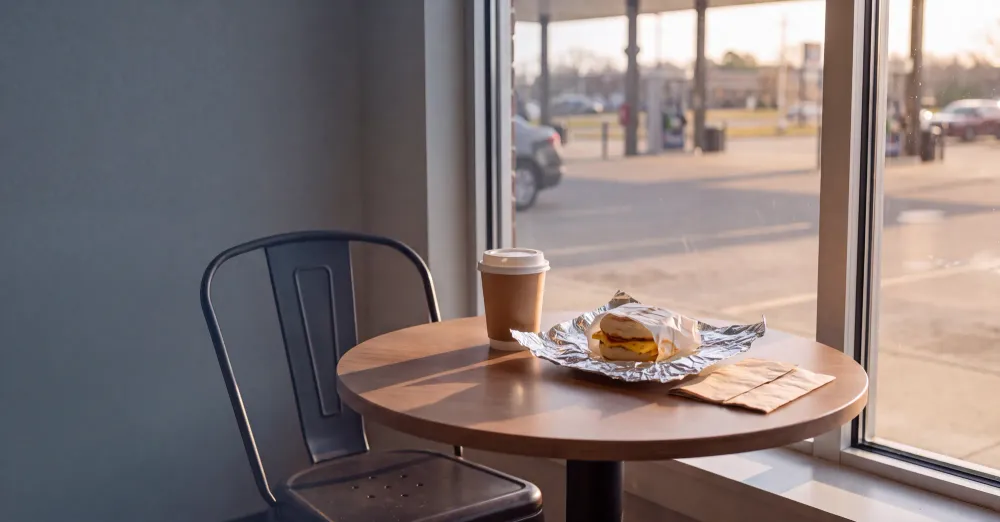
For a growing share of customers, convenience stores are the new QSR. They have spent a decade building foodservice programs, and in 2026 many shoppers treat them as a place to eat as much as a place to buy gas. In November 2025, dunnhumby's Retailer Preference Index for quick-service restaurants ranked 58 U.S. chains and counted any convenience store where a clear majority of shoppers come for meals. Seven c-stores made the list, and Buc-ee's took the top spot with Kwik Trip second, ahead of In-N-Out Burger, Raising Cane's and Chick-fil-A. So when customers weigh a QSR vs. convenience store for breakfast or lunch, the c-store is a real option, and the more useful question for operators is how well each one delivers.
Convenience store foodservice is now the largest in-store category, and it pulls more than its weight. NACS reports that foodservice made up 28.5% of in-store sales in 2025 but 38.9% of in-store gross profit. Prepared food, from pizza and chicken to sandwiches and salads, accounted for 73.9% of foodservice sales, up from 66.4% in 2021.
Restaurants, meanwhile, are fighting for every visit. Placer.ai's 2026 dining report found that visits across the dining industry trailed the prior year in every month of the first half of 2026 except February, with May's 2.5% drop the steepest in a year. For quick-service brands specifically, Placer points to menu-price inflation wearing down their traditional value advantage, and to higher gas prices making a separate drive-thru trip a harder sell. A c-store that already has the customer at the pump is well placed to pick up that meal.
The rest of this piece looks at what's driving the shift, where each format has an edge, and what both can do about it.
The second part of the 2026 CSNews Foodservice Study, titled "From Occasional Stop to Daily Habit," captures how far the c-store mindset has moved. Four findings CSNews highlighted from the study stand out:
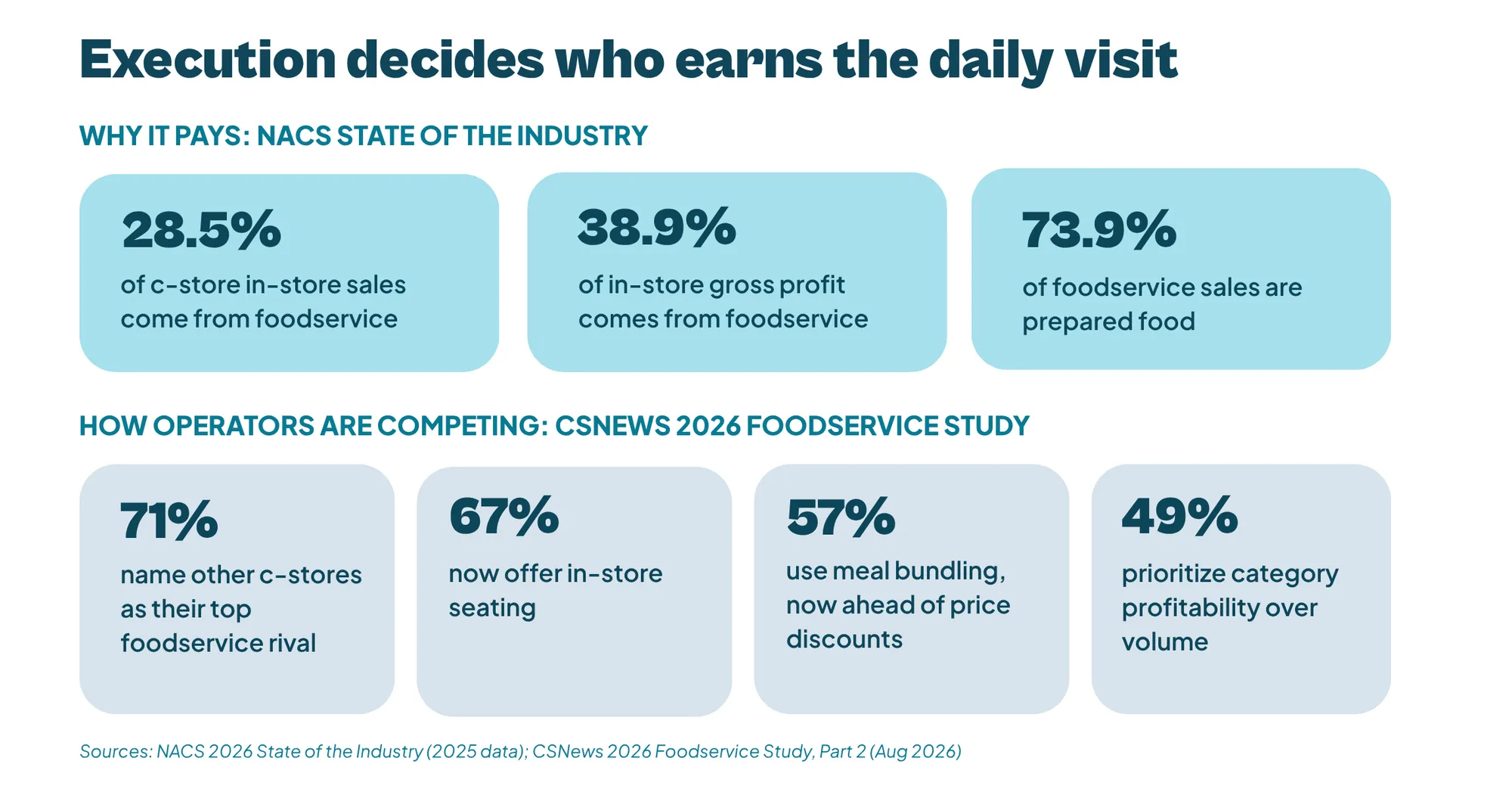
Put together, these describe retailers running a restaurant inside a store, which is a very different job from stocking a roller grill. Customers who sit down and come back daily expect the same sandwich to taste the same at every location, labels that tell them what's in it, and hot food that's actually hot.
The biggest advantage is the combined trip. A customer who has to stop for gas can take care of breakfast or lunch at the same time, and with restaurant prices up, skipping a second stop feels like value on its own.
Menus have also caught up. Made-to-order sandwiches, fresh bowls, bakery programs and specialty coffee have taken c-store food well past hot dogs and packaged pastries. Several regional chains have built food brands customers will drive out of their way for.
The way c-stores price and present that food helps too. A breakfast sandwich and coffee for one set price tends to land better than a discount on a single item, which is why bundling has become the go-to promotion. Add a few tables, and a quick transaction turns into a short meal break for drivers and commuters.
Growth in foodservice brings restaurant-level work to teams that were built to run registers, fuel and stocking. That gap shows up quickly in a few places.
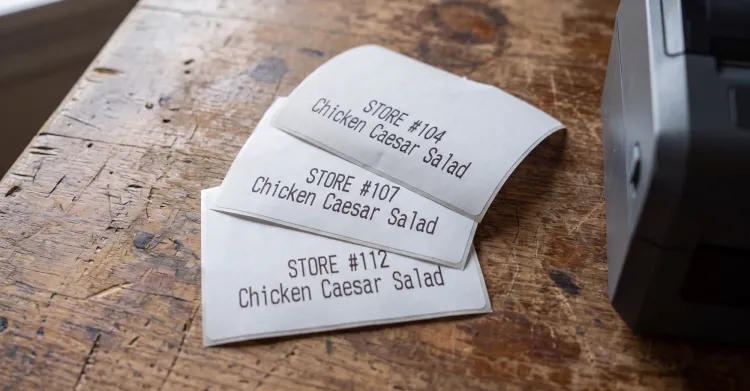
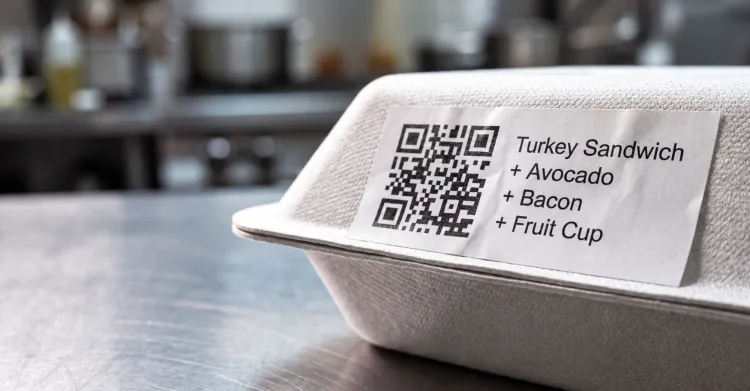
Labeling carries more weight. Grab-n-go items need accurate product names, ingredients, allergens, prices, barcodes and sell-by dates on every package. At 100 or 500 stores, handwritten or pre-printed labels drift, a problem covered in more depth in why fresh food labeling systems break down at scale.
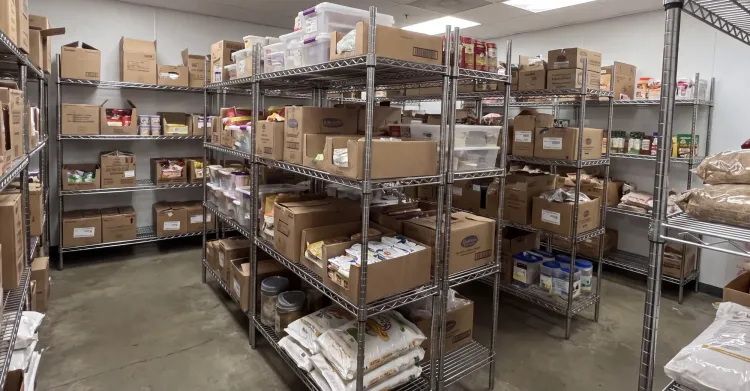
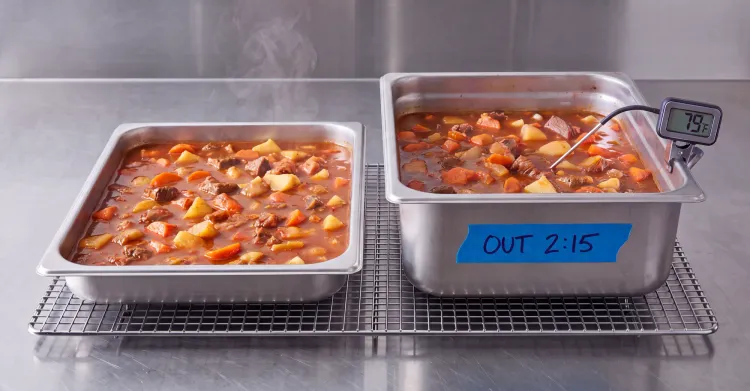
Food safety moves into more hands. Hot holding, cooling, date marking and cold storage become daily responsibilities for store staff who often have less food safety training than a restaurant line cook. Our guide to food safety and quality in c-stores walks through turning standards into daily habits, and the hot holding guide covers keeping the hot case safe without overproducing.
Consistency is harder across stores. A customer who eats at your stores every day will notice when the same item looks or tastes different from one location to the next. With limited-service hourly turnover around 110%, the person making that sandwich may have started last week.
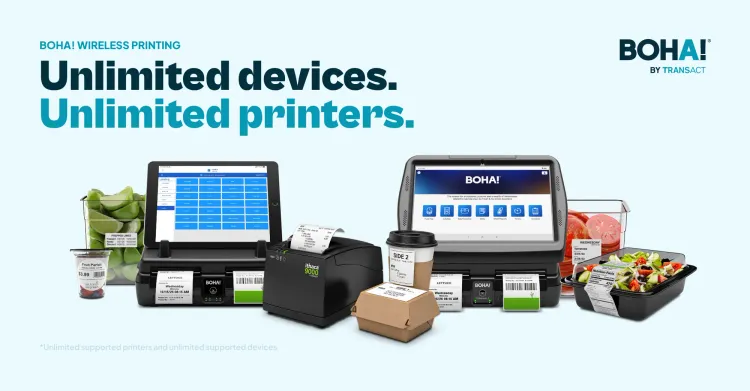
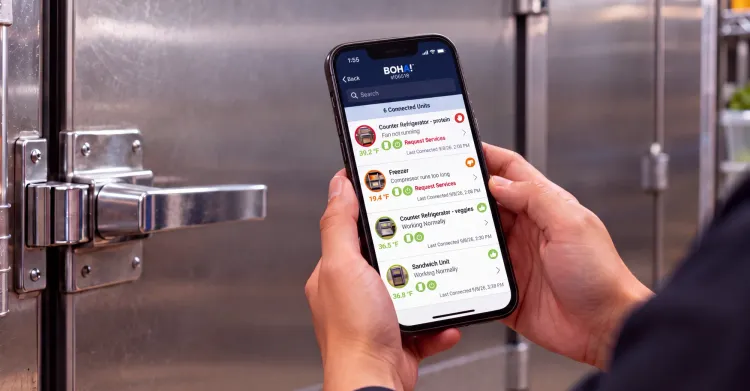
For convenience store foodservice teams, BOHA! connects the parts of a fresh food program that usually live in separate tools or on paper:
Huck's Market is one example. The chain replaced handwritten and pre-printed grab-n-go labels with BOHA! across 120 stores, printing compliant labels on demand. It reported lower operating costs and higher margins on its grab-n-go program.
None of this means quick-service restaurants are losing by default. QSR kitchens are built around one job, and drive-thru lanes handle a volume most c-store food counters can't match. The major brands have spent decades refining recipes, prep routines and timing standards that hold across thousands of units, and customers trust that a familiar order will taste the way they expect.
The risk is that all three advantages depend on execution that's harder to sustain right now. High turnover, menu complexity, more digital and delivery orders, and pressure on labor costs all wear on speed and consistency. Once a QSR is no longer reliably faster or more consistent, the c-store down the road starts to look like the better deal.
For most QSRs, the answer is to make their existing advantages more dependable rather than copy the c-store model.
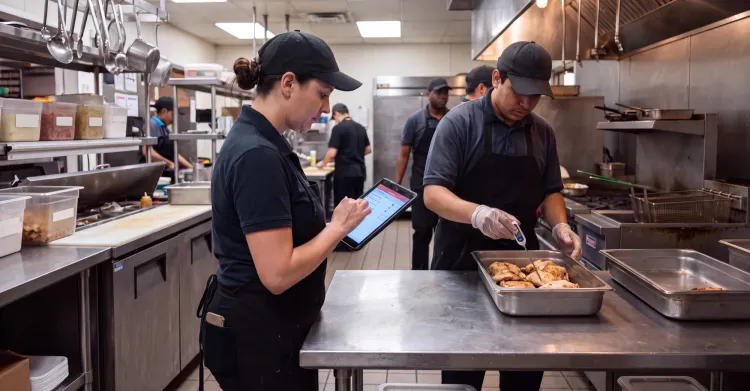
Take time out of prep and labeling. Manual date labeling and timer juggling take time away from guests. TransAct reports about two hours saved per location per day with automated date code labeling. A fried chicken QSR chain with more than 20,000 locations uses TransAct's AccuDate 9700 to automate use-by labels and get that time back. BOHA! Timer puts every hold and cook timer on one screen, so items don't go past their window during a rush.
Get customized orders right the first time. In the 2025 QSR Drive-Thru Study, order accuracy slipped to 87%, and 62% of incorrect orders involved customization. Generating made-to-order labels from the order itself removes a manual step and keeps allergen details with the item.
Make the standard easy to follow on day one. With hourly turnover above 100%, training has to happen on the job. Short videos and step-by-step prep guidance through BOHA! Media, plus digital checklists for opening, closing and food safety tasks, let new employees follow the brand standard without relying on whoever trained them.
Push changes to every store at once. Limited-time offers, price changes and recipe updates need to reach every kitchen on the same day. Central management of menus, labels and content keeps the customer experience consistent across a large footprint.
Watch for drift before guests notice. Field and headquarters teams need to see which stores are falling behind on checklists, temperatures or labeling before it shows up in reviews. TransAct's published BOHA! results include a 14% increase in speed of service and a 56% decrease in food quality issues.
Every one of those levers applies to c-stores as well, so the two formats have more in common behind the counter than their storefronts suggest.
C-stores and QSRs are chasing the same customer for the same meal, and for both, execution is the growth lever. Whichever brand delivers more consistently, store by store and shift by shift, earns the daily habit.
| Challenge | Where c-stores feel it | Where QSRs feel it | Execution lever |
|---|---|---|---|
| Labeling accuracy | Grab-n-go labels with allergens, pricing and dates on every package | Date coding and modifications at drive-thru volume | Labels generated from central data, printed on demand |
| Food safety | Hot holding and cold storage handled by retail staff | Hot holding, cooling and date marking during rushes | Guided temperature checks, continuous monitoring, corrective actions |
| Training and turnover | Store staff learning foodservice for the first time | High hourly turnover across thousands of units | On-demand videos and step-by-step procedures |
| Consistency across locations | New food programs rolling out to hundreds of stores | Brand standards that must hold everywhere | Central updates for menus, labels and checklists, with visibility by store |
| Speed | Made-to-order items assembled at the counter | Throughput at the window and the counter | Automated timers and labeling that remove manual steps |
Operators running fresh food programs across many locations can see how this fits together in the Food Program Management overview, which covers planning, prep and execution across stores. The Food Safety & Compliance overview covers the daily safety work that sits underneath every fresh food program. QSR teams can find segment-specific tools on the quick-serve restaurant page.
TransAct has also added BOHA! capabilities to help restaurants and convenience stores expand into catering, another meal occasion both formats are competing for.
If you're scaling a fresh food program or tightening execution across a QSR footprint, talk with the BOHA! team about where your stores are losing time and consistency.
For many customers, convenience stores now function as quick-service meal destinations. Foodservice made up 28.5% of c-store in-store sales and 38.9% of gross profit in 2025, according to NACS. dunnhumby's 2025 ranking of 58 quick-service chains placed two c-stores, Buc-ee's and Kwik Trip, in the top two spots. QSRs still lead on speed and menu execution, but the line between the two formats has blurred.
Foodservice earns higher margins than most of the store and gives customers a reason to visit every day, whether or not they need fuel. Prepared food now makes up most c-store foodservice sales, and retailers are adding seating, made-to-order menus and meal bundles to compete for breakfast and lunch.
In the 2026 CSNews Foodservice Study, 71% of c-store operators named other c-stores as their main competition. Restaurants remain a factor, but much of the competition for the meal now happens inside the convenience channel itself.
QSRs compete best by making their strengths more reliable: faster prep, accurate customized orders, consistent food quality and quick rollout of menu changes across every location. Automating labeling and timers, guiding new employees with on-demand training, and giving headquarters visibility into store execution all protect speed and consistency.
The biggest challenges are accurate grab-n-go labeling, food safety tasks like hot holding and temperature checks, training retail staff on food procedures, and keeping products consistent across many stores. These are restaurant-style responsibilities that many c-store teams are taking on for the first time.
Grab-n-go food is prepared food that's packaged and labeled for customers to pick up without ordering, such as sandwiches, salads, wraps and snack boxes. Each item needs a label with the product name, ingredients, allergens, price and a sell-by or use-by date, which makes labeling accuracy a key part of running the program.
Get the latest industry insights delivered straight to your inbox
Browse