A manager in a blazer smiling while reviewing a clipboard, framed by teal circular brand graphics

Waste & Spoilage Reduction

Reduce preventable waste with better prep, labeling, rotation, and visibility.

BOHA!® helps foodservice teams reduce the everyday execution gaps that can lead to wasted product, spoilage risk, and unnecessary rework across locations.

From prep planning and date coding to food rotation, temperature monitoring, refrigeration visibility, and daily workflow consistency, BOHA! gives operators a more connected way to protect product quality and control preventable loss.


Operational Priorities

What Waste & Spoilage Reduction Covers

Waste and spoilage reduction depends on the workflows that help teams prepare the right food, label it clearly, rotate it consistently, monitor storage conditions, and see where preventable loss may be happening.

  1. Prep Accuracy

    Preparing the right items in the right amounts, following prep guidance, and reducing overproduction caused by unclear daily needs.

  2. Date Coding

    Prep dates, use-by dates, discard dates, shelf-life labels, and date-code workflows that help teams understand when products should be used or removed.

  3. Product Rotation

    Labeling and workflow practices that support FIFO, freshness management, product identification, and more consistent rotation across shifts.

  4. Temperature Monitoring

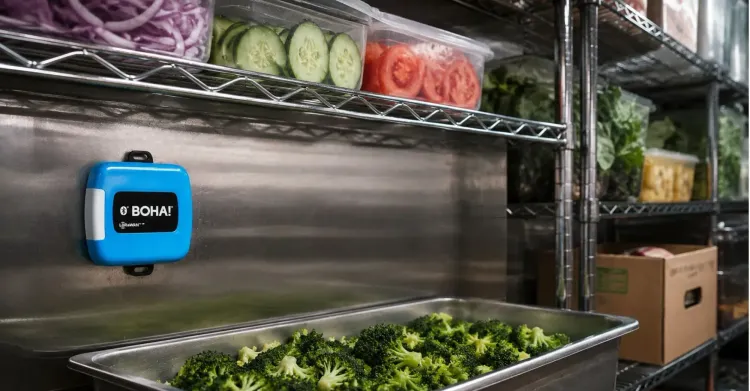
    Food temperature checks, refrigeration monitoring, freezer visibility, walk-in conditions, and temperature records that help teams catch risk sooner.

  5. Waste Visibility

    Operational insight into recurring gaps, missed steps, unclear labels, temperature issues, and workflow problems that can contribute to avoidable waste.

The Obstacles

Where Waste & Spoilage Problems Build

Food waste rarely comes from one big mistake. More often, it builds through small execution gaps repeated across prep, storage, labeling, rotation, and temperature control.

A chef writing in a notebook at a kitchen prep counter, in black and white

Teams Prep More Than They Need

When prep guidance is unclear or disconnected from daily routines, teams may overproduce, duplicate work, or prepare items that do not move quickly enough.

Labels Do Not Make Shelf Life Clear

Missing dates, handwritten shorthand, inconsistent label formats, or unclear discard information can make it harder for teams to know what should be used first.

Rotation Depends on Habit

Food rotation becomes less reliable when teams have to rely on memory, local routines, or visual checks instead of clear labels and repeatable workflows.

Temperature Issues Are Caught Too Late

Refrigeration, freezer, walk-in, or holding issues can lead to product loss when teams do not have enough visibility into changing storage conditions.

Waste Patterns Stay Hidden

When waste is managed location by location, operators may not see the recurring workflow gaps that contribute to spoilage, discarded product, or unnecessary rework.

The Solution

What Better Waste & Spoilage Control Looks Like

Connected workflows help teams reduce preventable waste by making prep, labeling, rotation, temperature monitoring, and daily execution easier to follow and easier to manage.

A chef reviewing records on a laptop at a kitchen prep counter

Better Prep Decisions

Teams can work from clearer prep routines and production guidance, helping reduce over-prep and unnecessary product handling.

Clearer Shelf-Life Visibility

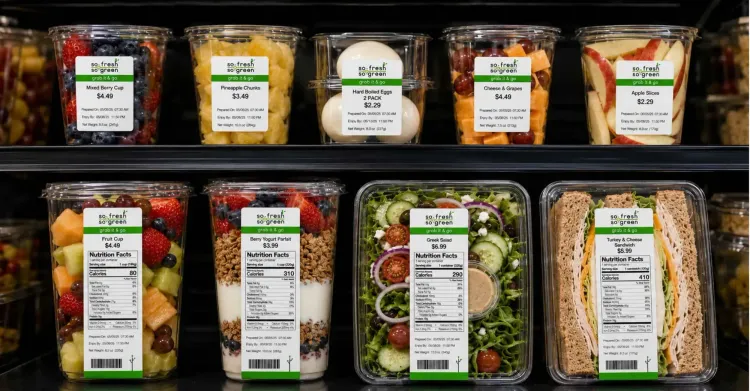
Printed date-code labels and standardized labeling workflows make it easier to identify when food was prepared, when it should be used, and when it should be discarded.

More Consistent Rotation

Clear labels and repeatable workflows help teams rotate product more consistently across prep, storage, display, and service.

Earlier Temperature Awareness

Temperature logs and equipment monitoring help teams identify food safety or storage issues sooner, before small problems turn into larger product loss.

Stronger Operational Control

Better visibility into prep, labeling, rotation, and temperature-related workflows gives managers and leaders more context for reducing recurring waste.

Tool Finder

Find the Right BOHA! Tools for Your Waste & Spoilage Challenge

Waste and spoilage reduction touches prep, labeling, rotation, storage conditions, and operational visibility. BOHA! connects the tools that help teams reduce preventable loss and keep product moving with more confidence

Challenge

Reduce Labeling and Rotation Errors

When labels are unclear, inconsistent, handwritten, or missing key date information, teams may spend more time checking products or discard food that could have been managed more clearly.

Goal

Support clearer date coding, shelf-life visibility, and product rotation.

How BOHA! Helps

BOHA! helps teams print standardized labels with prep dates, use-by dates, discard dates, product names, and other information that supports food rotation and freshness management.

See How BOHA! Connects Across the Back of House

Waste and spoilage reduction connects closely to food prep, labeling, food safety, food program management, and daily back-of-house execution. Explore the related operational initiatives that help teams reduce preventable loss and improve consistency across locations.

Browse

Resources to Help You Reduce Waste & Spoilage

A worker in protective gear washing down kitchen equipment, in purple duotone

FAQ

Common Questions About Waste & Spoilage Reduction

Waste and spoilage reduction in foodservice includes the workflows that help teams reduce preventable product loss through better prep accuracy, date coding, food rotation, temperature monitoring, storage visibility, and operational consistency.

Fresh tomatoes and cutting boards on a kitchen counter amid teal circular brand graphics

Ready to Reduce Preventable Waste and Spoilage Across Every Location?

See how BOHA! can help your team improve prep accuracy, standardize labeling, support food rotation, monitor temperature conditions, and gain better visibility into the workflows that affect product loss.

Book a Demo