Stay in the loop!
Get the latest industry insights delivered straight to your inbox
Every September, HHS brings chefs from its partner hospitals together for the SuperChef Showdown. I spent two days there as a judge. Here’s what I saw, and what the chefs told me about scratch cooking, leading hospital kitchens and the work behind every patient meal.
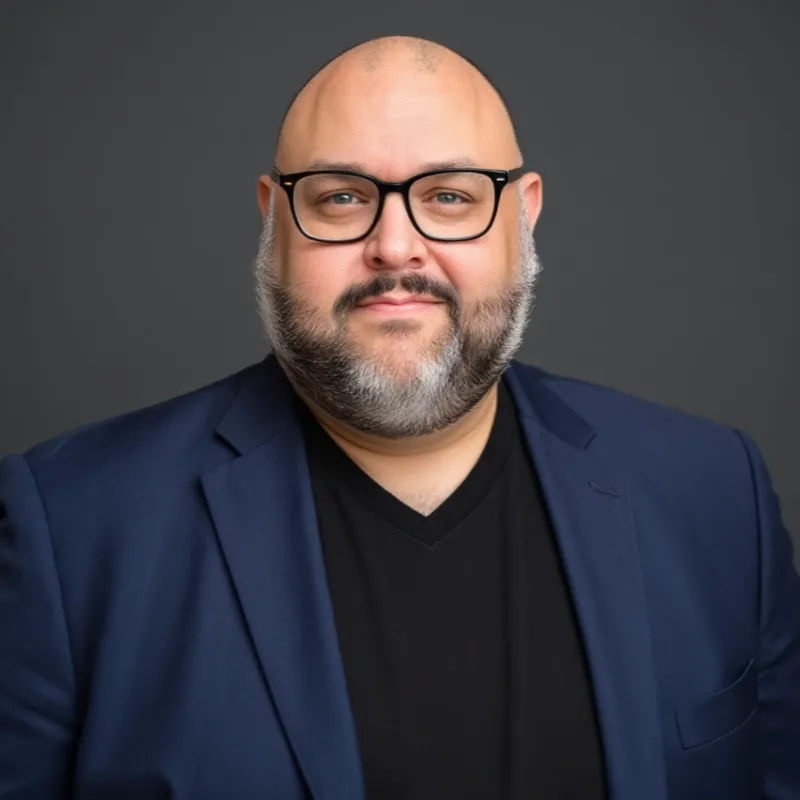
Rich Lopez
I spent two days in Grand Rapids, Michigan, this September judging the HHS SuperChef Showdown and met some remarkable chefs. Most people’s idea of hospital food comes from a disappointing meal eaten on a tray years ago, in a room they didn’t want to be in. The chefs I met cook to a much higher standard trying to wipe away the memory of those meals. Even more incredible, they do it in kitchens that have to meet the safety and regulatory demands of a hospital.
HHS got its start in 1975 handling housekeeping for a single hospital. Today it works with more than 850 partners, and its culinary team runs healthcare food service in hospitals across the country. In HHS's own words, "Chefs run our kitchens, and that creates a difference you can taste." In practice, that means fresh vegetables, mashed potatoes made from real potatoes, and soups, sauces, salad dressings and gravies made in house. HHS describes the goal as hospitality that heals.
The chefs we interviewed described their company the same way. James Hall, culinary director at Paris Regional Health in Paris, Texas, told us what he enjoys most is "the fact that we're really culinary driven and really wanting to do things from scratch." Chris Randolph, a culinary director in Greenville, South Carolina, kept it shorter and called HHS "a chef driven company."
SuperChef is HHS's annual culinary competition. For two days in September, chefs from HHS partner hospitals across the country cooked side by side. A few had competed in past years and came back for more, while for others it was their first cooking competition of any kind.
TransAct sponsored this year's event, and our team spent both days on site filming, meeting the chefs, and hearing about the kitchens they run the other 363 days of the year. HHS kitchens run on BOHA! by TransAct, so this was also a chance to spend time with the chefs who use our tools every day.
Want to see these moments for yourself? Head back to the top of the post to check out the highlights video.
My colleague Don Both and I were honored to be on the panel of judges. At TransAct, he is a director of sales, and I am the director of customer success, but we pulled out our hats from our collective operational pasts for this competition. I was looking for a good representation of technical ability in the kitchen, some creativity and innovation, and above all a cohesive, tasteful dish. Don came hoping to see a lot of creativity, and what he called “the crunch”, all the different textures and layers within a dish.
It's a high bar, and the chefs cooked to it. Most of their days are spent feeding patients with specific dietary needs and hospital staff coming off long shifts, so watching them cook for a judging table was a good reminder of how much skill sits inside hospital kitchens that most people never see.
For many of the chefs, the competition was really about the people back home. Devin Walker, a culinary director in Boardman, Ohio, described it as "pride to bring home to the team, the family, my area, my hospital." James Hall entered because his team encouraged him to, and said, "I just want to make them proud."
Alyssa Fredericks, executive chef at A.O. Fox Memorial Hospital in Oneonta, New York, who also oversees the Bassett hospitals in the region and is newer to HHS’s corporate side, saw it as a way of "solidifying that this is where I'm meant to be." Jeremy Coldwell, an executive sous chef in Johnstown, Pennsylvania, said it would mean "a completion of a 30 plus year journey in this industry."
Each chef was asked what they enjoy most about working at HHS, and their answers say a lot about the culture behind the food.
Charles Taylor’s answer comes from experience on both sides. He came to HHS from restaurants, and this is his first job in healthcare. He told us the patients and guests he cooks for now “really appreciate that on another level compared to working in the restaurant industry.”
Judging was a lot of fun, but the most valuable part of the trip happened between rounds. I got to talk with chefs one on one about what’s important in their kitchens and where day-to-day operations make their work harder. The dialogue was open and honest, and I learned more from those conversations than I would have sitting in a typical business meeting.
Some of the chefs talked about how tools like BOHA! help simplify their processes, improve efficiency, and support their teams. It was good to hear that from the people who use it every day, and a reminder of how much we learn just by listening. I also spent time with HHS’s culinary leaders, and their view of how they run kitchens across so many hospitals was just as useful.
"If you've seen one of our hospitals, you've seen one of our hospitals," said David Highlender, HHS's vice president of culinary. Every kitchen is laid out differently and runs different equipment, and some serve patients from a tray line while others use a pod system or a mix of both.
When David's team builds a new concept, he runs it through what he calls the 90, 90, 90 rule. Can 90% of HHS accounts run it the way they're set up today, with 90% of their existing equipment and 90% of their existing supplies? If the answer is yes all three times, the concept is ready. Even then, he says, "we don't do anything that's a cookie cutter." Each hospital can still adjust a promotion to fit how its kitchen works.
HHS built its patient menu the same way. It’s modular, and every recipe has already been through nutritional analysis, so a hospital can drop dishes its patients won’t eat and add ones they will. Brittney Horn, HHS's corporate executive chef, described the balance as "strong, consistent programs" with "enough variety in our programs that chefs still feel like they have some creative control at their unit level, especially for regional flavors and regional dishes."
Tim Geraghty, HHS's senior vice president of culinary, said consistency also depends on processes that are "scalable, meaningful, measurable, impactful, and trackable," and on teams who understand why the tracking is worth doing. Any operator running dozens or hundreds of contract foodservice or restaurant locations will recognize the problem, because a standard only works if every site can actually carry it out.
When we asked HHS leaders about their biggest challenges, the answers were familiar to anyone who has run a kitchen. "Labor, always," Brittney said. Then came labeling and dating, refrigeration and equipment upkeep. "There's a million things that go into it."
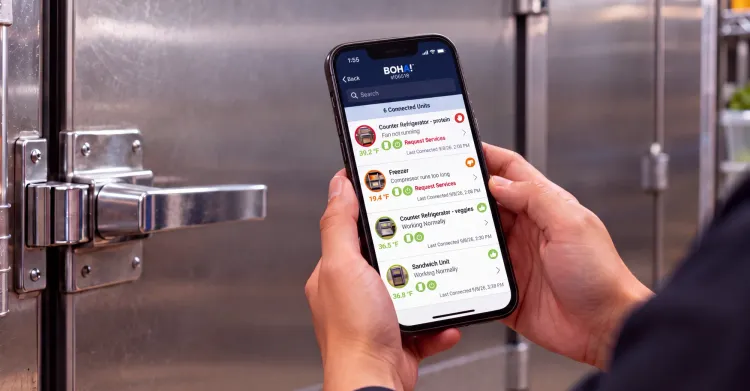
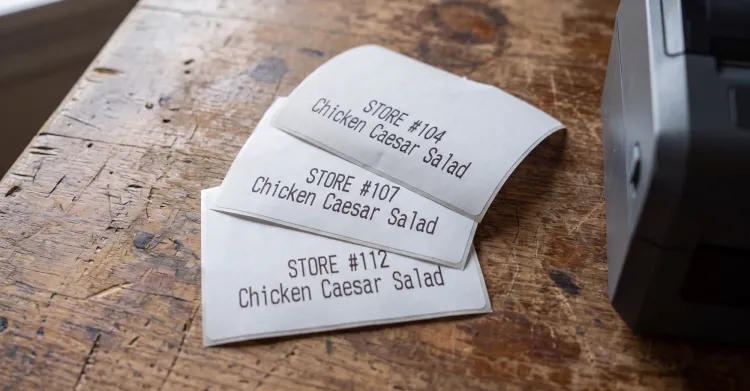
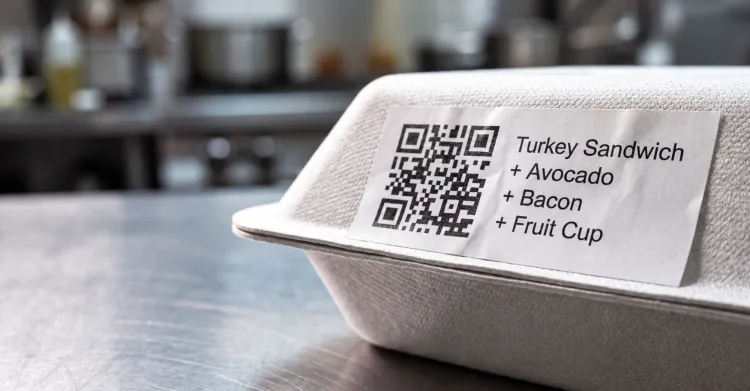
Brittney sees technology helping most with refrigeration and labels. Cooler and freezer monitoring that sends an alert to a phone means a team can check a unit or troubleshoot before product is lost, even when nobody is in the building. In hospital kitchens where inspectors carefully check dates, printed labels with set shelf lives help keep things aligned with standards. "When you're handwriting labels, anybody can put whatever date they want on something," she said. "So having a system where they don't have the choice of how long the shelf life is, they just have the standard, is incredibly helpful."
Tim’s view of technology was more cautious. “If we spend all of our time thinking about technology, we’re not taking care of our patients and our residents and our customers,” he said. Whatever a kitchen adopts has to be quick to use and easy to follow up on. That lines up with what operators tell me in my own work. They want technology that’s simple, easy to use and easy to read, and that gives them answers without complicating the rest of their day.
In my role leading customer success at TransAct, refrigeration monitoring is the challenge I hear about most from chefs, especially in kitchens with older equipment. And what works in one kitchen rarely works the same way in the next, which is why we build BOHA! as back-of-house tools that each location can set up for its own menu, tasks and workflows while leadership still sees the whole picture. It’s the same balance HHS strikes across its hospitals, and part of why its kitchens run on BOHA! You can read more about how that plays out in healthcare foodservice operations.
Many of the chefs I talked with between rounds described these same challenges from inside their own kitchens, from keeping a busy line organized to checking coolers and writing labels by hand. Those conversations are where the next part of this story picks up.
I came away from Grand Rapids with a lot more appreciation for the people behind HHS’s culinary operations, and a few new friends I’m looking forward to seeing again. Over the coming weeks, we're sharing a short video spotlight on eight of the HHS chefs we met, along with a blog for each pair that goes deeper into their kitchens and the challenges they deal with every day.
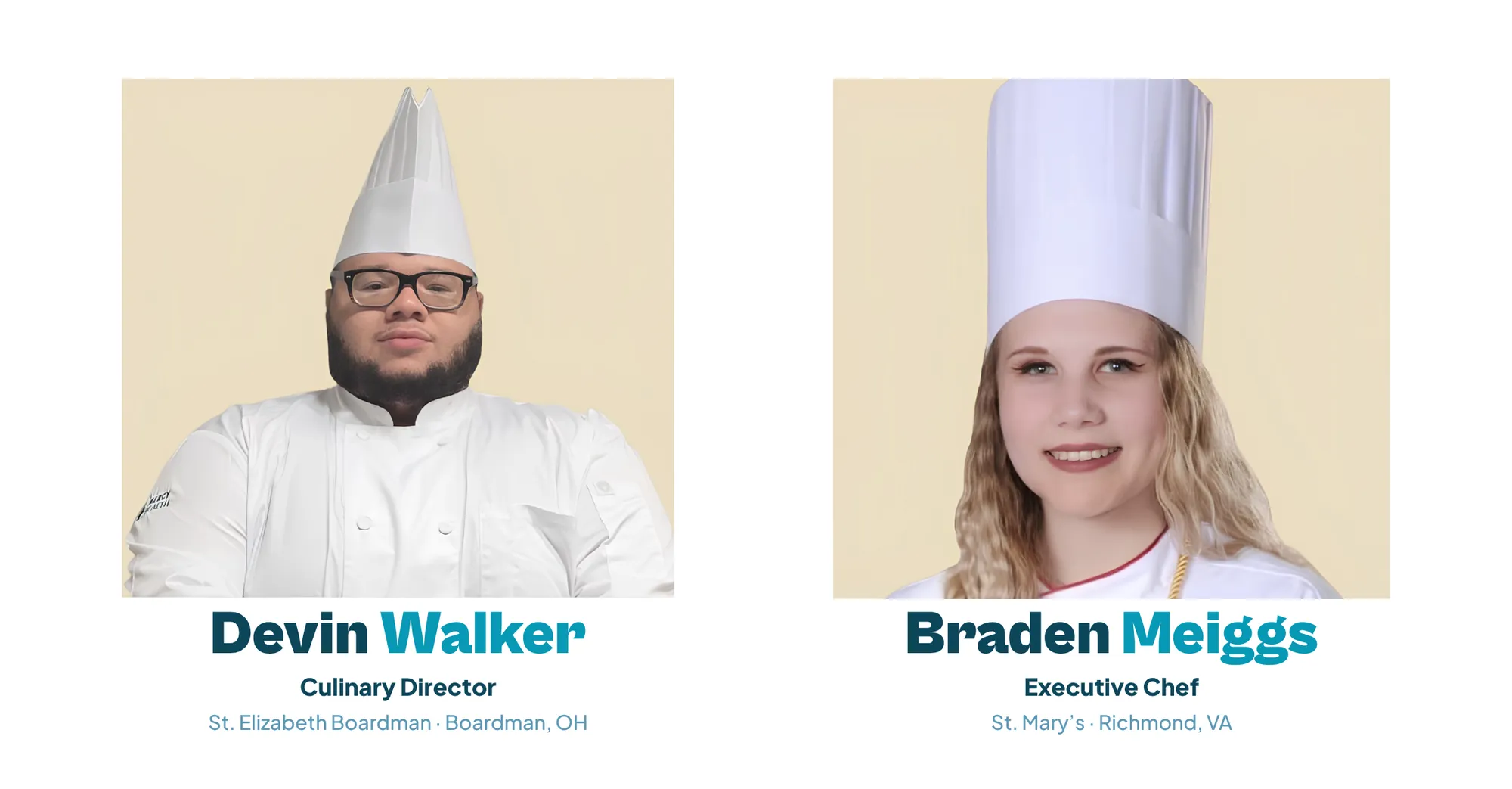
Every kitchen has a rush, but not every kitchen falls apart in one. Devin Walker starts his mise en place long before service begins, and Braden Meiggs runs her kitchen on prep and cleaning lists her team finishes every day. Their habits are simple enough for any team to copy.
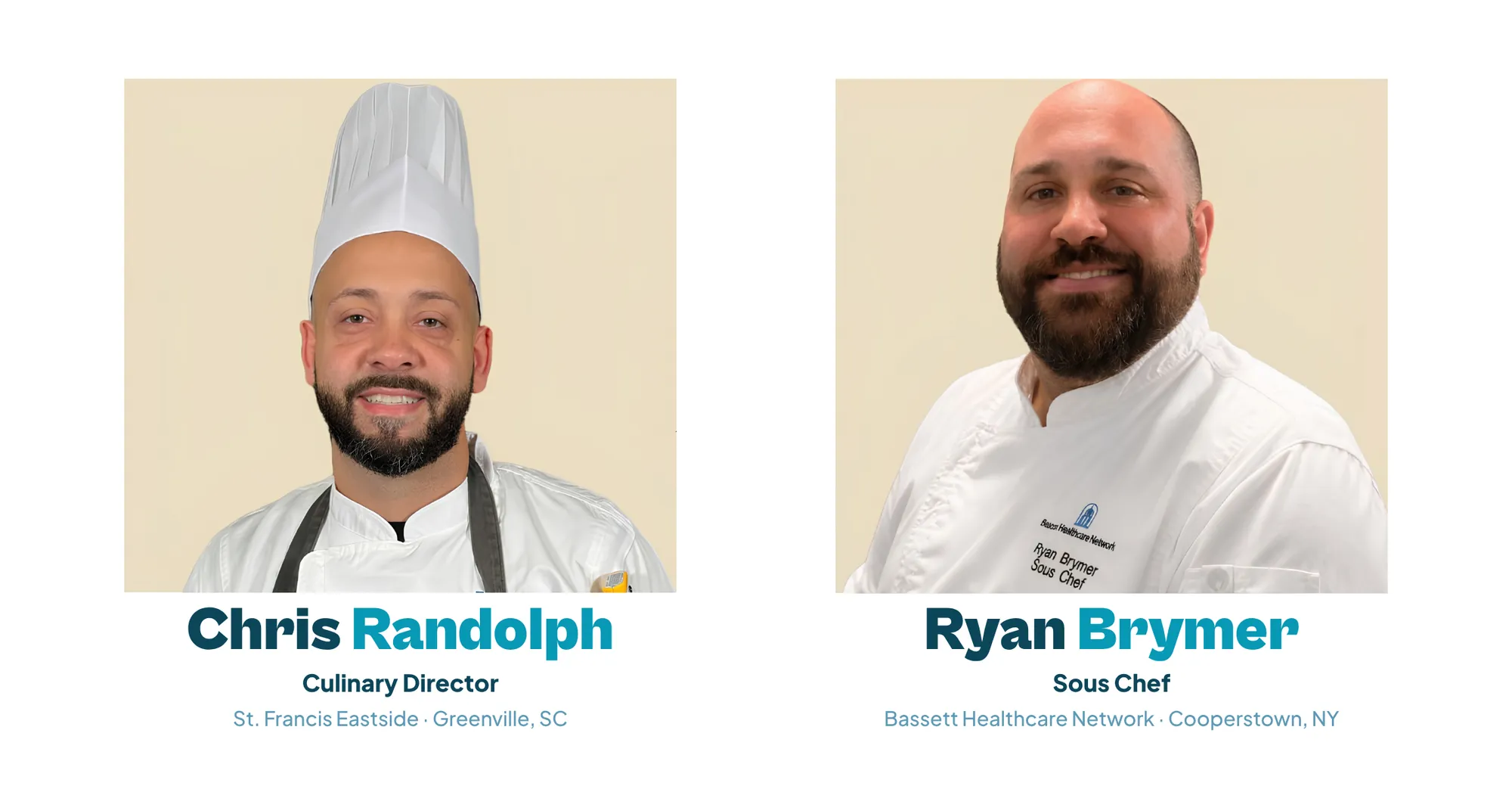
Most of a chef’s job happens away from the stove. Chris Randolph grew from the line to culinary director and still makes time to cook. Ryan Brymer’s two-person kitchen receives and puts away every delivery itself, and that’s where food safety starts. Together they show what the job actually asks of healthcare chefs, and how a small team keeps up with it.
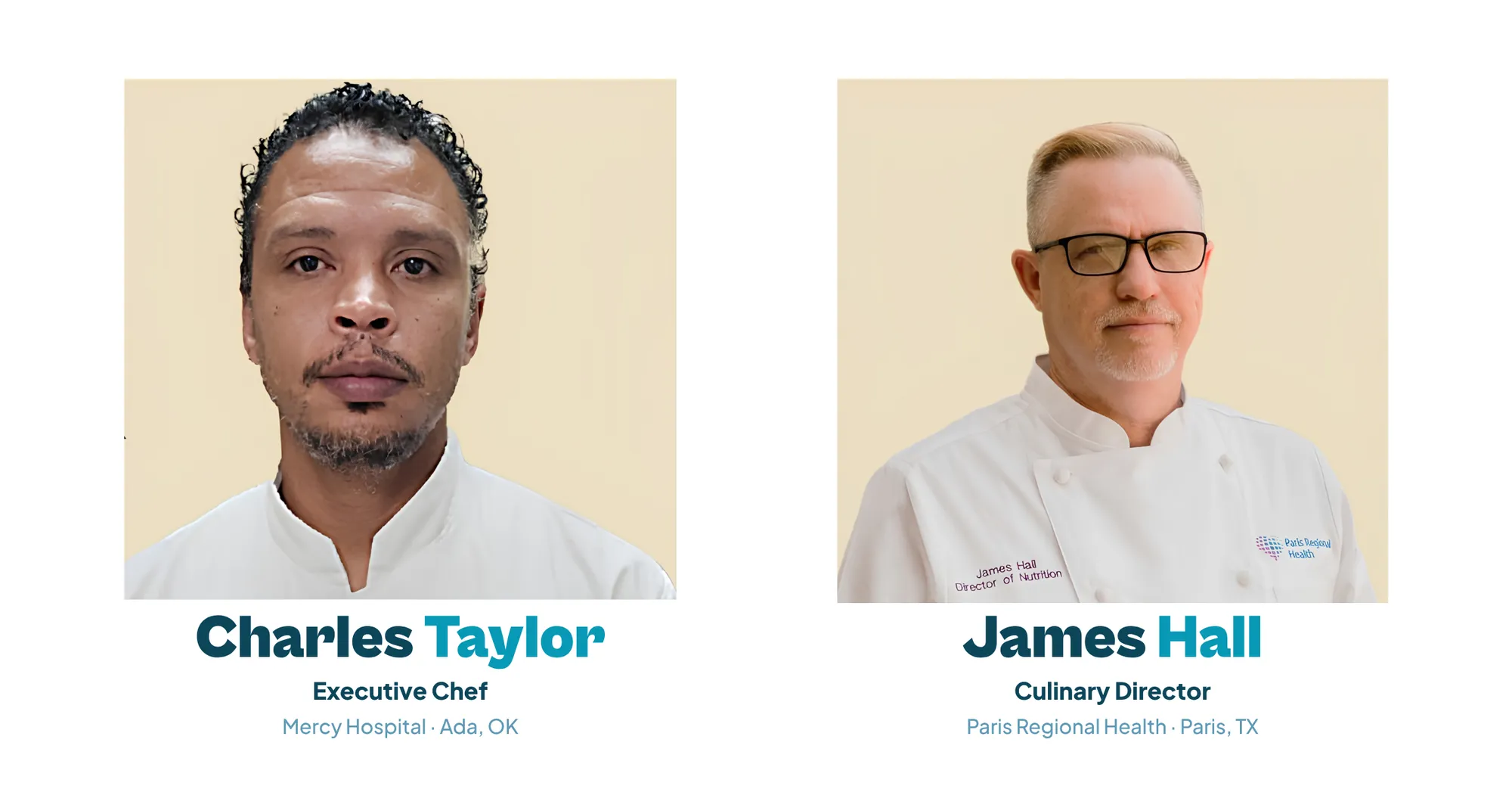
Charles Taylor checks more than 20 coolers by hand, and a unit that fails overnight can mean throwing out product by morning. James Hall’s team used to handwrite a label for every grab-and-go sandwich until they didn’t have to. Their stories show which hands-on tasks eat up the most time or put food safety at risk, and what changes when one of them goes away.
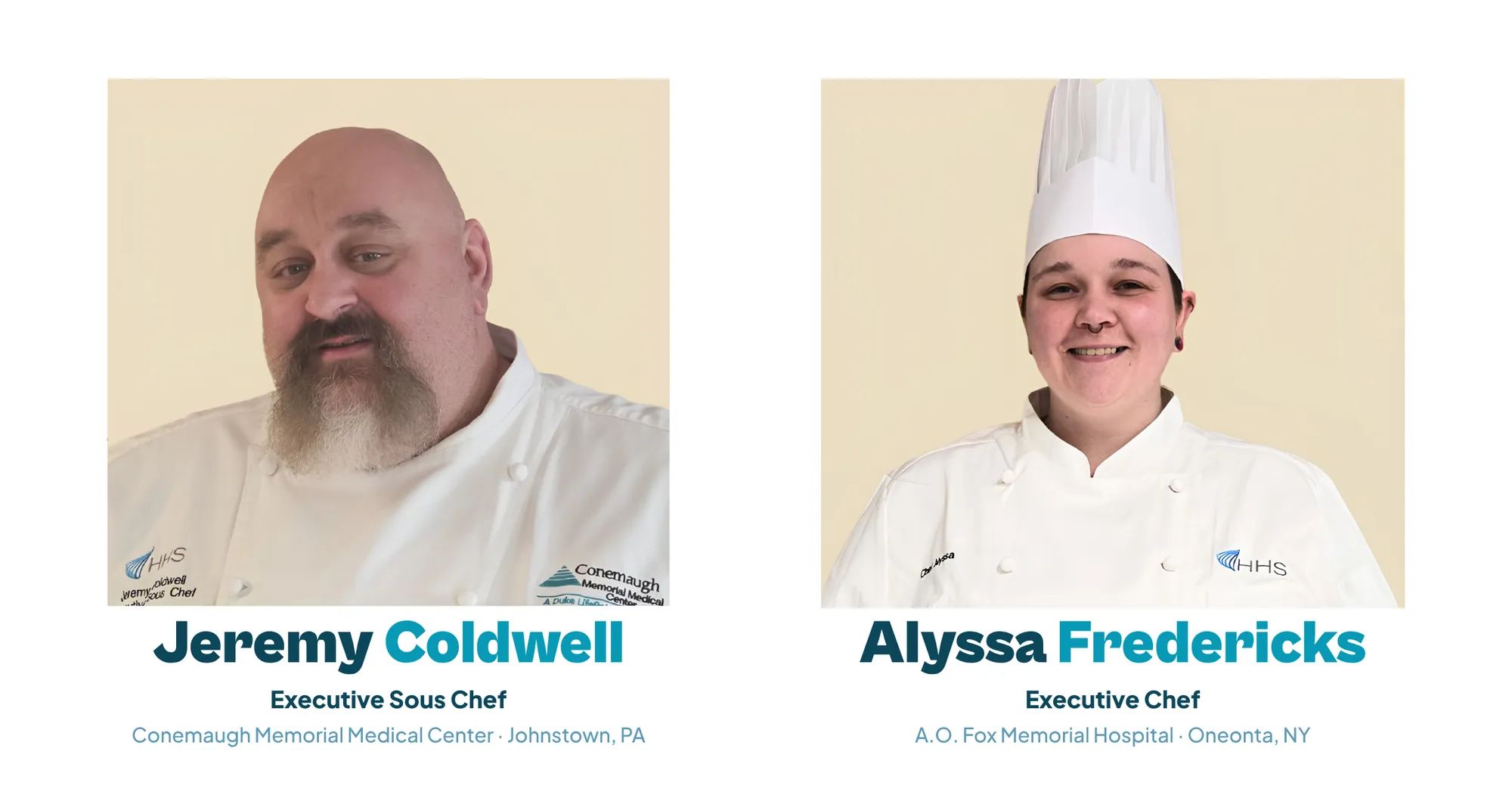
A standard only works if every kitchen follows it the same way. Jeremy Coldwell has spent more than 30 years learning that structure is what keeps chaos out of a kitchen. Alyssa Fredericks oversees several Bassett hospitals and explains how standard shelf lives answer the question every kitchen asks: “How long is this good for?”
The HHS SuperChef Showdown is an annual culinary competition HHS holds for chefs from its partner hospitals. Chefs from across the country cook over two days in September, and judges evaluate their technical skill, creativity and finished dishes.
HHS Culinary and Nutrition Solutions runs food service for hospitals and other healthcare partners. Its kitchens are chef-led and cook much of their food from scratch, and its services include patient menus, retail dining, catering and registered dietitian support.
Healthcare facility kitchens cook for patients with specific dietary and nutritional needs, so menus are vetted through nutritional analysis. They also face regulatory inspections that check labeling, dating and food safety records. Every hospital kitchen is laid out differently, so programs have to flex from site to site.
The programs that hold up are designed around what most sites can run with the equipment and supplies they already have, then adjusted locally. Standard recipes, shelf lives and labels, plus processes that can be measured and tracked, keep quality consistent without forcing every kitchen into the same mold.
HHS specializes in high-quality healthcare support services, including culinary & nutrition solutions, environmental services, disaster response, patient flow, facilities management, linen & laundry, and more. With over 50 years of experience, HHS delivers hospitality-driven services dedicated to improving the patient experience and overall facility operations. Learn more at hhs1.com.
Get the latest industry insights delivered straight to your inbox
Browse