Stay in the loop!
Get the latest industry insights delivered straight to your inbox
Catering, commissary, and grab-and-go have quietly become some of foodservice's most lucrative growth channels. But most ordering tech was built for the front of house, not to scale food safety and labeling behind the counter. Here's why the back-of-house decides who actually scales.
Tracey Winslow
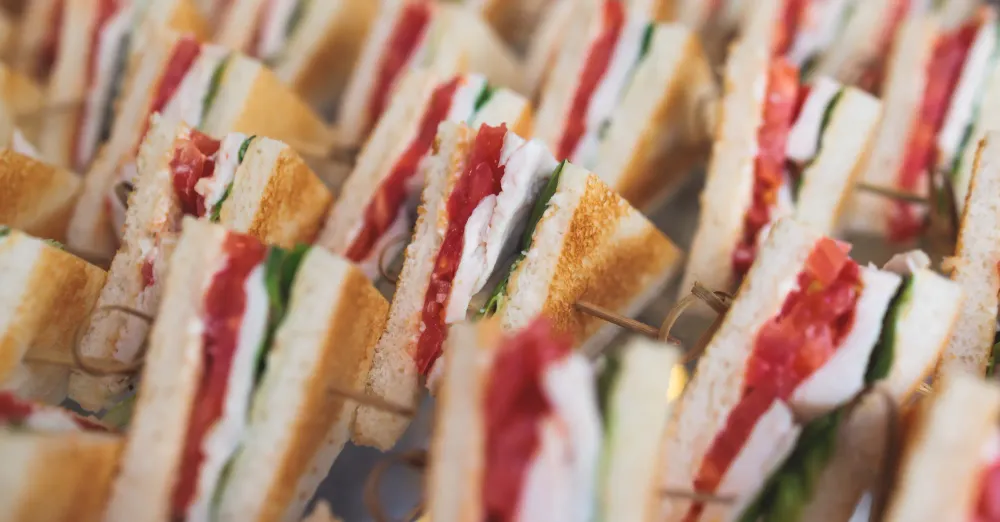
For a long time, catering was something a lot of operators did on the side. A few trays for lunch at the office down the street, an order for graduation parties in June. Nice to have, but not exactly a growth engine.
That's changed. Catering, commissary production, and grab-and-go have quietly become some of the most lucrative growth channels in foodservice — and the operators who treat them that way are pulling ahead. Recent trade reporting from Nation’s Restaurant News shows catering emerging as a genuine revenue engine for some of the country's largest chains, with catering average unit volumes running several times higher than a typical mealtime transaction. Workplace demand is holding, too: catering research covered by Food On Demand found that 91% of workplaces plan to spend the same or more on food this year – up from 82% in 2024–and one in five plan to bump their food spending by more than 25%.
Here's the part that doesn't make the headlines. The technology most operators bought to chase that growth was built for the front of house — taking orders and routing them. Saying yes to that demand is exactly the right call and is how a counter quietly grows into a real program. But an order booked isn’t an order fulfilled, and the setup behind the counter was never built to scale production, food safety, and labeling all at once. Nail those three and the catering program starts to compound on itself; leave them running on memory and sticky notes, and it buckles under its own success.
When a catering order comes in, the hard part isn't accepting orders. It's filling those orders safely, labeling them correctly, and getting them out the door without an allergen error or a missing date code — at a volume the kitchen wasn't staffed for on an ordinary Tuesday.
So what now? Many operators need a quick solution and start bolting things on. A standalone system for specialty catering labels. A manual workaround for large-batch prep. Extra staff hours spent on tasks crutching up a process a single-transaction system was never designed to handle. Every one of those additions is another line item eating into the margin catering was supposed to create. You grow the top line and quietly give it back on the bottom.
The blind spot isn't the ordering technology. It's that the ordering technology only solves half of the equation needed for a successful catering program.
I'll be direct about our point of view, because it's the whole reason we built the platform the way we did.
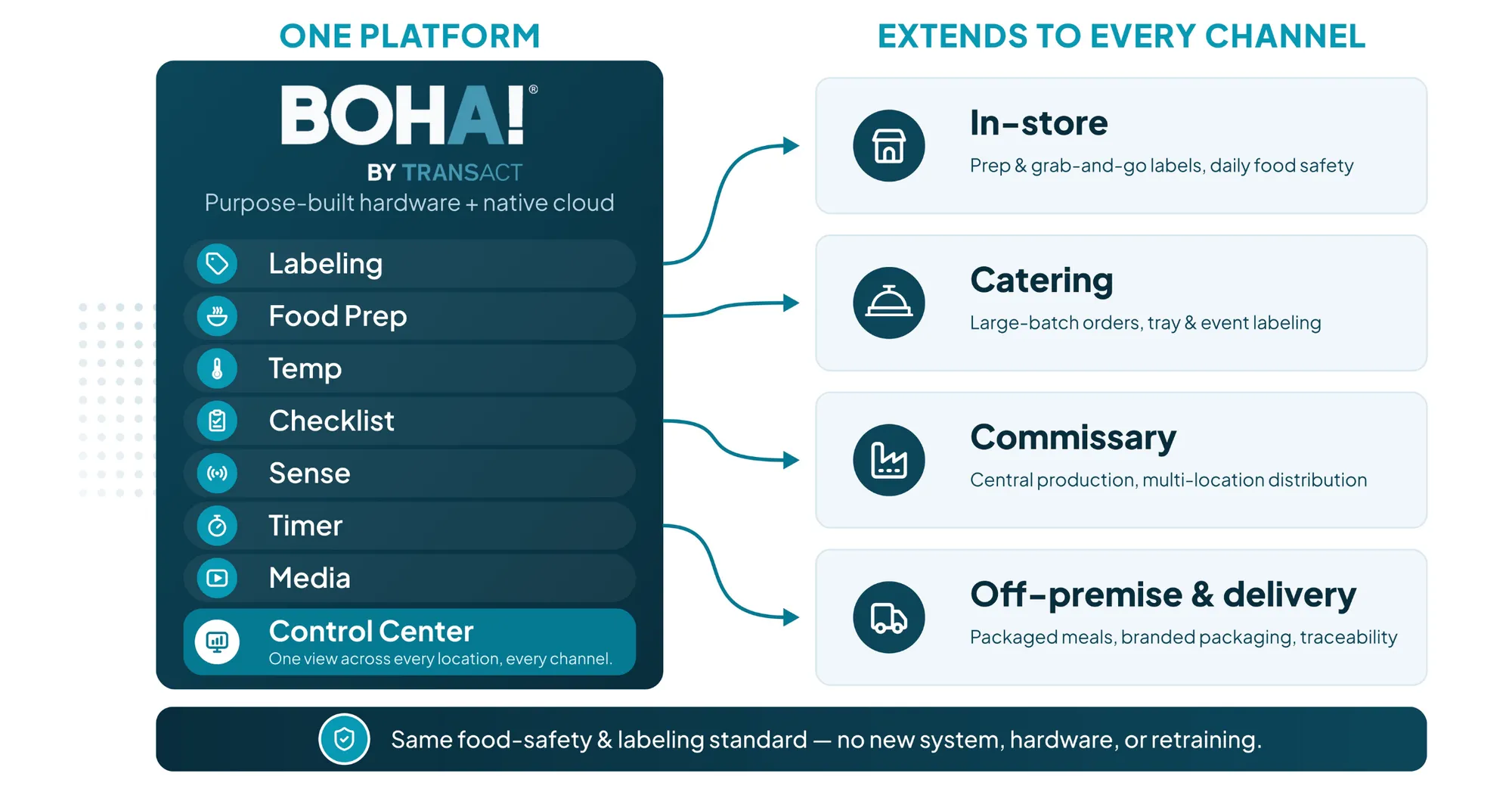
BOHA! doesn't ask operators to add another system to manage growth. The same infrastructure that runs food safety and labeling in-store today — BOHA! Labeling, Food Prep, Temp, Sense, Checklist, all feeding the Control Center — extends to catering, commissary, and grab-and-go without new hardware, new software, or new headcount just to keep pace with demand. An operator already running BOHA! in-store can simply start fulfilling on catering and commissary orders using the same platform. No new systems to buy, no new tools for the team to learn, and no gap in food safety coverage as the business grows.
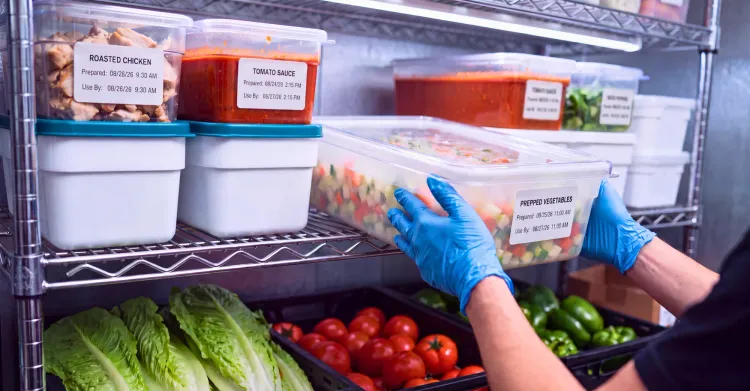
That matters because of what information is needed to support catering orders to ensure they are safe to consume: allergens, prep-and-expiration tracking, nutritional and health-code labeling, MRD (Made, Ready, Discard) tracking, employee initials, prep timestamps. The same standards that apply to a single grab-and-go sandwich apply automatically to a 300-person order — whether one location's staff handles it or a centralized commissary team serving many stores. The label on the tray carries the same rigor as the label on the sandwich because it comes from the same place.
The practical version: the same platform that labels a single grab-and-go item today can label a 200-person catering order tomorrow, without bolting on a separate system or retraining the team from scratch.
Not sure what belongs on every catering, tray, and grab-and-go label? Use our free checklist to review the key labeling elements operators need to manage across channels—from allergens and date codes to prep details and location information. Download the Catering & Commissary Labeling Checklist →
Here's what I think gets missed in the catering conversation. It gets framed as a restaurant-and-c-store story, because that's where the headlines are. But the capability — connected production, labeling, and food-safety documentation that scales into off-premise and centralized-kitchen workflows — applies just as directly to several other corners of foodservice that are growing the exact same way.

Convenience stores and QSRs. This is the visible, leading edge of the trend. Grab-and-go programs expand into catering and commissary supply; a single platform means the labeling and food-safety standards that already run the store extend to the new channel instead of fragmenting across new tools.
Sushi and other contract foodservice programs. A high-volume sushi program is a catering-and-commissary operation whether anyone calls it that or not — centralized prep, made-to-order and pre-packaged items, allergen-sensitive labeling, short shelf lives, and distribution across many locations. The same on-demand, FDA-compliant labeling and prep tracking that keep a multi-location sushi program consistent are exactly what a catering expansion needs. It’s the same reason contract sushi programs can hold labeling standards across thousands of locations.
Foodservice management (FSM) companies. Contract foodservice operators running dining for hospitals, campuses, and corporate accounts live and die on standardization across sites they don't fully own. Catering and commissary production are core to that business, not an add-on — and every client account brings its own compliance and reporting requirements. A connected platform is how you hold one food-safety standard across all of it and prove it to each client, from a single lunch order to a year-end graduation party order for hundreds.
Casino food and beverage. Casinos run some of the largest banquet, buffet, and catering operations in hospitality — high volume, high visibility events around the clock. That's a commissary-and-catering challenge at scale, with the same need for allergen accuracy, tray and buffet identification, and prep accountability. It's also where the foodservice side of our business and the gaming side of TransAct increasingly meet: the same operator modernizing the casino floor is modernizing the kitchens that feed it. The back-of-house rigor that runs a QSR's catering program runs a casino's banquet operation just as well.
Different segments, same underlying shift: the kitchen behind the counter is becoming a revenue center, and the operators who win are the ones whose back-of-house can scale into it without turning into a patchwork of different systems.
Growth into catering and off-premise channels shouldn't require a technology overhaul. If the plan for scaling is "buy another system and hope it talks to the others," the margin the new channel creates is already leaking out through integration seams and retraining time.
The operators pulling ahead aren't the ones with the most tools. They're the ones running the fewest — one platform that already knows how to keep food safe, label it accurately, and prove it did both, wherever that food is going. Catering, commissary, grab-and-go, banquet. Same standard. Same system. That's the whole idea.
This perspective follows our latest announcement on the expanded catering and commissary capabilities in the BOHA! platform. To see exactly what's now supported — from large-batch production and centralized commissary workflows to catering labels, allergen and nutrition labeling, and "Made At / Distributed To" location labeling — read the full announcement here.
What's the difference between a catering kitchen and a commissary kitchen?
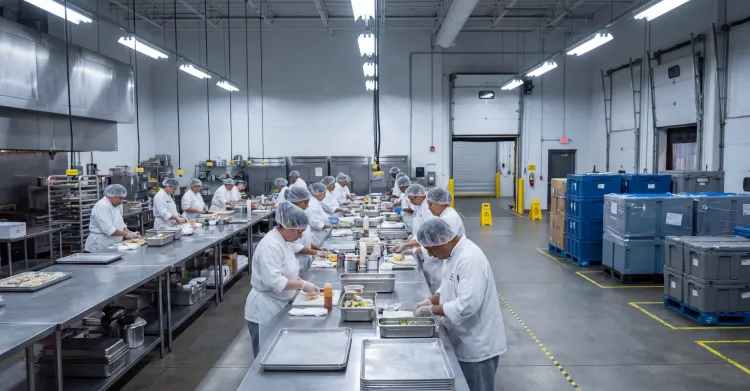
A catering kitchen produces food for off-site events and orders. A commissary (or central) kitchen produces food centrally for distribution to multiple locations. Many operators run both, and the same production, labeling, and food-safety workflows apply to each.
Why does catering create food-safety risk?
Volume and distance. High-volume production increases the chance of an allergen or date-code error, and off-premise food is held and transported longer — so labeling accuracy and prep-and-expiration tracking matter more, not less.
Do you need separate software for catering labels?
Not if your in-store labeling platform already scales. Running separate systems for in-store, catering, and grab-and-go labels adds cost and integration risk; a connected platform prints all of them from the same place.
Does this apply outside restaurants?
Yes. Convenience stores, sushi and contract foodservice programs, foodservice management companies, and casino banquet operations all run catering or commissary production and face the same back-of-house scaling challenge.
Get the latest industry insights delivered straight to your inbox
Browse