Stay in the loop!
Get the latest industry insights delivered straight to your inbox
Checklist completion rates look great on a dashboard right up until someone opens the walk-in. Here is how multi-unit foodservice operators make each checklist step provable, review by exception instead of store by store, and catch pencil whipping before an inspector or auditor does.
TransAct Team
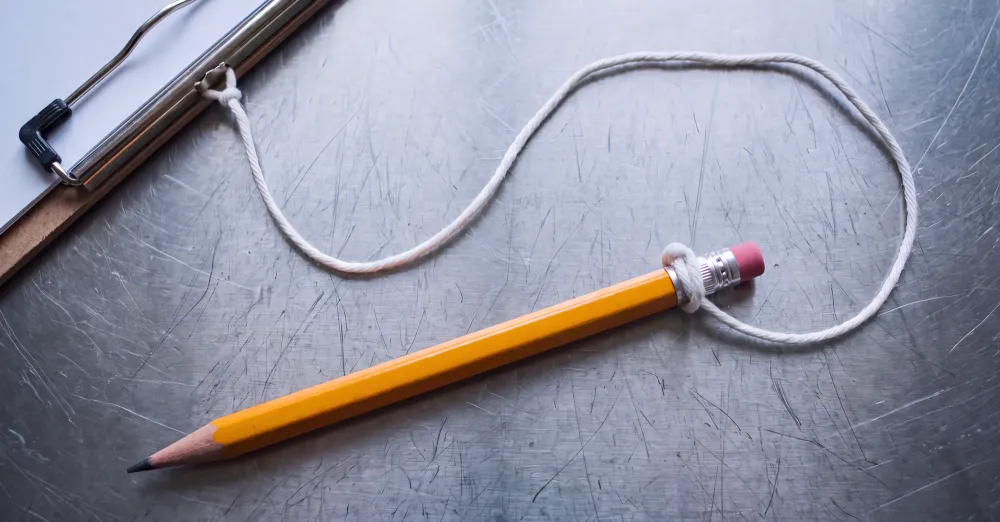
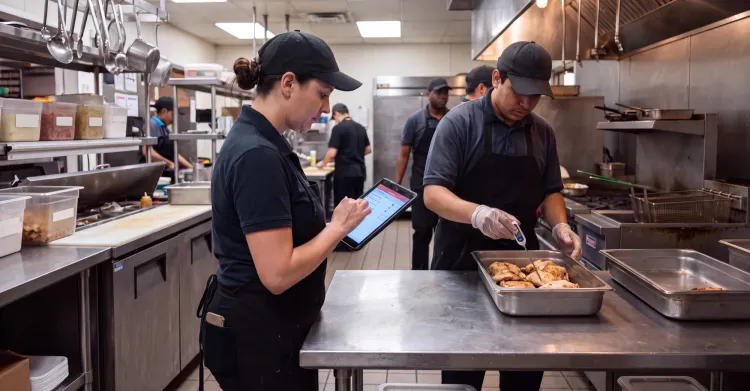
Pencil whipping is checking off a task, or writing a reading into a log, without actually doing the task or taking the reading, a term borrowed from safety and maintenance work. In a kitchen it usually looks like this: it's 2:58 p.m., the afternoon temp log is blank, and the pen somehow knows what the walk-in reads without anyone opening the door.
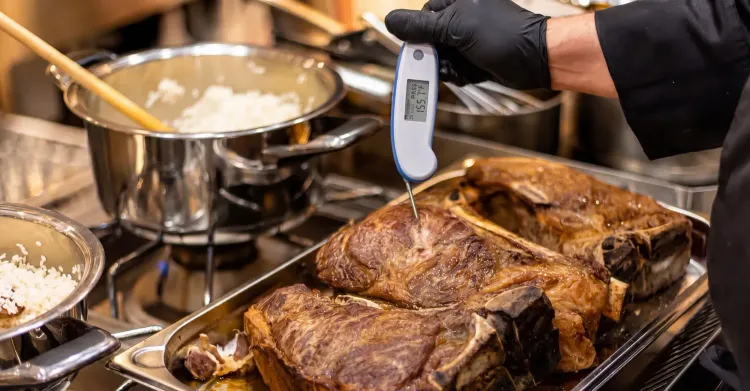
On Monday, the regional dashboard shows 98% checklist completion across 30 stores. On Wednesday, a regional director makes an unannounced visit to one of them. The walk-in thermometer reads 44°F, while the log says 38°F three times in a row, all in the same handwriting.
In all likelihood nobody at that store set out to fool anyone, since the opener was short-staffed, lunch ran long and the log got caught up before close. The real problem is what HQ was measuring: whether boxes were filled, not whether the work happened.
A district manager overseeing five stores sees most of what happens, but at 200 locations HQ mostly sees what stores report, and that gap is where pencil whipping lives. Three things tend to widen it as you grow.
Franchise systems add another layer, because the franchisor sets the standard, the franchisee's team runs it, and a franchise business consultant may see each store only a few times a year. Contract foodservice operators answer to two standards at once: their own and each client's.
A step is verifiable when someone who wasn't there can confirm it happened, when it happened and what it found. Four things make that possible.
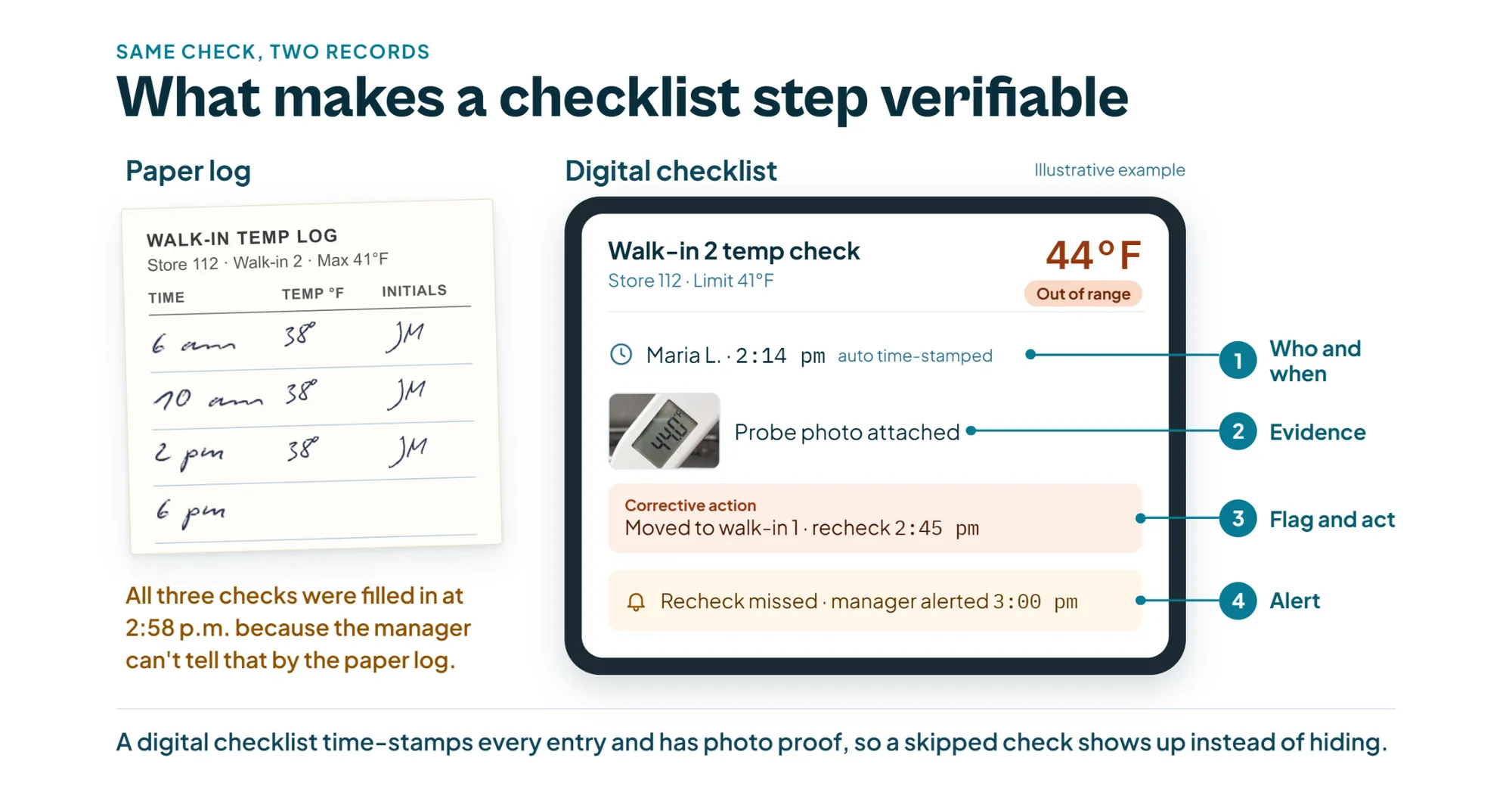
Without these four, a dashboard can only tell you that someone touched the checklist, which is useful information but not verification.
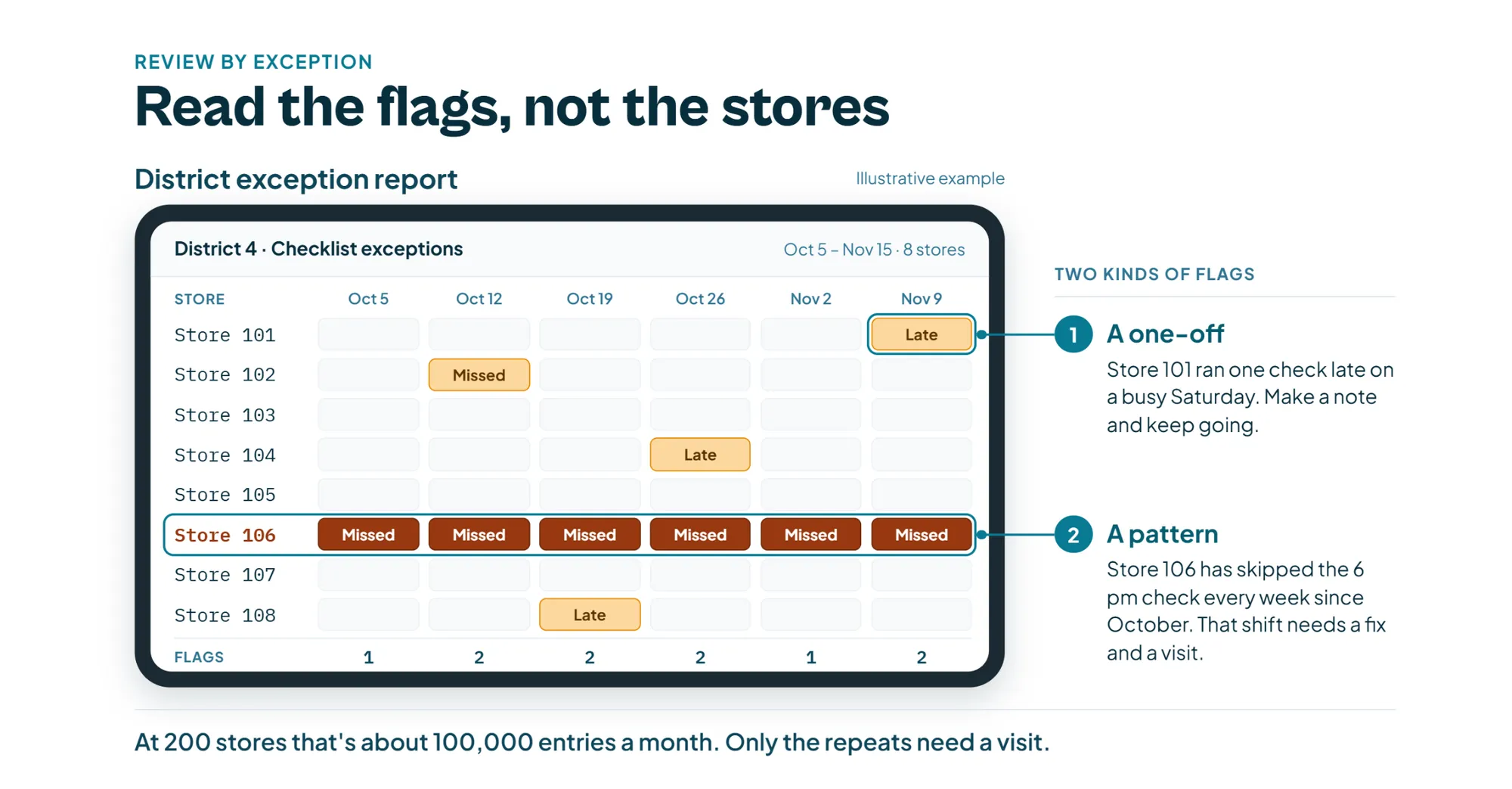
The practical answer is to review by exception, reading the flags and the patterns instead of the stores, because the volume leaves no other option. A typical location logs around 17 checks a day once you count opening and closing lists, three or four temperature rounds, line checks and cleaning tasks. Across 200 locations, that's roughly 100,000 entries a month, far more than any food safety team can read.
Data signals that often point to pencil whipping
| Signal in the data | What it often means | What to do first |
|---|---|---|
| Many steps completed within a minute or two, near the end of a shift | Logs caught up after the fact | Check that day's staffing before you call the manager |
| The same reading every time (38°F, 38°F, 38°F) for weeks | Numbers written from memory, not a probe | Compare against sensor data or spot-probe on the next visit |
| No out-of-range results in 90 days | A suspiciously perfect store | Compare it with similar stores; real equipment drifts |
| One person signing every step across shifts | One person covering for a team, or a shared login | Check sign-offs against the schedule |
| Corrective actions opened but never closed | The problem was noticed, then dropped | Send open actions to the district manager weekly |
| Completion drops in the same daypart every week | A staffing or workflow gap | Fix the shift first, then the checklist |
One batch of late entries on a Saturday with two call-outs is a rough shift. The same batch every Saturday for six weeks is a pattern, and patterns are where HQ and field teams should spend their time.
A useful working rule is that a single exception gets a note, repeat exceptions in a month get a conversation, and a recurring pattern gets a change to the workflow. A lot of pencil whipping is a workload problem that looks like a compliance problem, so the fix is usually staffing, scheduling or fewer steps rather than a sterner memo.
When every store struggles with the same step, the step itself deserves a look, since long checklists invite skimming. Keep the steps that protect guests and equipment, ask for evidence on the riskiest ones and question the rest, starting with any step nobody can explain.
Who owns what between HQ, the region and the store?
| Level | Owns | Reviews each week |
|---|---|---|
| HQ (operations, food safety and QA) | The standard: which steps exist, their limits and which need evidence | Exceptions across the system, recurring patterns and steps that fail everywhere |
| Region (district managers, field trainers, franchise consultants) | Follow-through and coaching | Their stores' open corrective actions and the bottom quartile on completion quality |
| Store (general manager, shift leads) | Doing the work and fixing problems the same day | Today's missed and out-of-range steps, before close |
The middle row tends to slip first, which hurts because district managers usually know why a store's numbers look odd and need the exceptions before they arrive, not after. Our Headquarters page covers the HQ side in more detail.
Auditors increasingly want proof that the system works every day, not a binder that looks complete. FDA's study of foodborne illness risk factors in fast food and full-service restaurants found that a well-developed food safety management system was the strongest predictor that risk factors would be minimized.
The 2026 FDA Food Code builds on that finding by leading with active managerial control (§ 2-103.11) and adds a written food safety management system requirement (§ 8-201.15) that applies four years after a jurisdiction adopts it. Because the Food Code is a model code, each state sets its own timing. We cover what to adjust in the 2026 FDA Food Code: what multi-unit operators need to change.
For franchise and contract operators, the more frequent auditor is a brand or a client asking a simple question: can you show each location did the work on the day it was due? Paper can answer that eventually, while a connected record answers it during the meeting. For the full business case, see food safety software vs. the paper clipboard and temperature logs that survive an audit.
BOHA! Checklist is restaurant checklist and task management software for opening and closing procedures, sanitation, preventive maintenance and audits. Here's how it covers the four things that make a step verifiable.
| What makes a step verifiable | How BOHA! Checklist handles it |
|---|---|
| Who and when | Each completed task is recorded with the user who completed it and when |
| Evidence | Photos and notes attach to the task record |
| Out-of-range results | Teams create and assign corrective tasks without leaving the app |
| Missed steps | Tasks can carry start times and time limits, with custom alerts and notifications |
Completion and corrective-action data roll up to BOHA! Control Center, where HQ and regional teams can see checklist completion across one location or hundreds and spot the stores that need attention. Checklists share a platform with BOHA! labeling, temperature monitoring and timers, so the record of a shift lives in one place instead of four, which is what makes review by exception practical.
BOHA! reports 16.5 hours saved per location per month with digitized checklists, and a 56% decrease in food quality issues. Across 200 locations, 16.5 hours a month adds up to about 3,300 hours of manager time back on the floor.
For how this connects to the rest of store operations, see process management at 50+ locations or the Back-of-House Operations overview.
Before you change tools or rewrite a single checklist, find out where you stand. The Operational Readiness Checklist gives operations, food safety and field leaders 48 scored checks across eight operating areas, including a full section on daily execution you can verify.
Download the Operational Readiness Checklist
Pencil whipping is marking a checklist task complete, or writing a reading into a log, without actually doing the task or taking the reading. In restaurants it most often shows up as temperature logs and cleaning checklists filled in at the end of a shift, with readings written from memory rather than from a thermometer.
Look for patterns in the data rather than reading every entry. Common signals include many steps completed within a minute or two, identical readings for weeks, no out-of-range results over months, one person signing every shift and corrective actions that never close. A single exception is usually a rough shift; the same exception every week is a pattern worth fixing.
Restaurant checklist software should record who completed every step and when, collect photo or reading evidence on high-risk steps, flag out-of-range results and require a corrective action, and alert someone when a step is missed. It should also roll completion data up to one view so HQ and regional teams can review by exception across locations.
Only partly, because completion rate shows that tasks were checked off, not that they were done correctly or on time. Pair it with on-time completion, the share of out-of-range results that received a corrective action, and how often field visits confirm what the logs say.
Most jurisdictions accept electronic records as long as they're accurate, retrievable and show who did what and when; check with your local regulatory authority for specifics. The 2026 FDA Food Code also adds a written food safety management system requirement four years after a jurisdiction adopts it, which favors records you can produce quickly for every location.
There's no single number, but shorter checklists tend to be completed more honestly. Keep every step that protects guests or equipment, require evidence on the highest-risk ones, and cut steps that every store skips or that no one has reviewed in a year.
Get the latest industry insights delivered straight to your inbox
Browse