Stay in the loop!
Get the latest industry insights delivered straight to your inbox
Jacobs Entertainment's $400 million Reno redevelopment shows how destination gaming raises the standard for ticketing, uptime, and casino floor execution.
Tracey Winslow
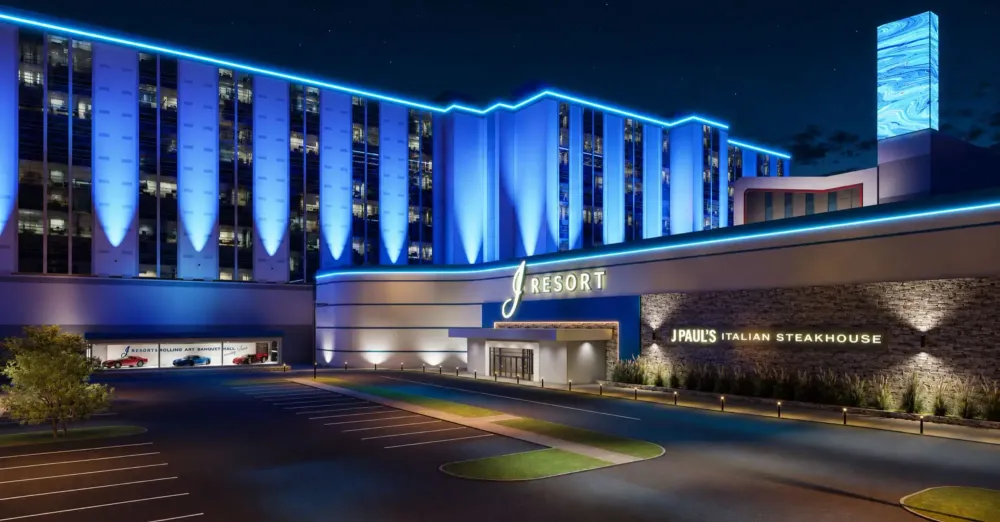
Photo courtesy of Jacobs Entertainment
Jacobs Entertainment’s investment in downtown Reno offers a useful view into where regional gaming is headed.
According to CDC Gaming, Jacobs Entertainment recently celebrated the completion of the first phase of a $400 million, five-year redevelopment tied to J Resort and Reno’s Neon Line District. The first phase included J Resort’s Festival Grounds, the redesigned 4th Street entrance, Elera Spa, early DRASA soccer fields, new housing development, public art, and other pieces of a broader downtown redevelopment effort.
The scale of the project is significant, but the operating implications are what make the story especially relevant for the broader gaming market. CDC Gaming reported that visitors now have access to gaming, live concerts, dining, wellness, and public art, helping position Reno’s Neon Line District as a broader destination in northern Nevada. For operators, the mix points to how much the casino property experience has widened.
For TransAct, this milestone is especially meaningful because Jacobs Entertainment is part of our customer community. Their investment offers a clear example of how gaming properties are evolving: the casino floor remains central, but it now sits inside a broader mix of hospitality, entertainment, local activity, and guest movement.
A regional casino is no longer judged only by what happens at the machine, the table, or the cage. Guests may arrive for a concert, walk through public art, spend time at dinner, stay overnight, visit the spa, and move onto the casino floor as part of the same trip. Gaming remains central to the business, but the guest journey around it has become broader and less predictable.
As the visit begins to stretch across more parts of the property, the work behind the scenes becomes more tied to the full guest experience. Casino operators have always had to manage uptime, ticketing, promotions, service response, player engagement, and the flow of people across the floor. In a destination-style environment, those responsibilities remain, but they have to be managed in closer coordination with everything else the property is trying to deliver.
Regional casino growth is increasingly tied to more than gaming volume alone. Operators are competing for visits, time on property, repeat engagement, and a stronger role in the surrounding community. Much of the operational pressure sits between the broader destination experience and the casino floor. Guests do not experience those pieces as separate departments. Someone who arrives for dinner, a concert, or a hotel stay may still end up on the floor, and by then the gaming experience has to feel as reliable as the reason that brought them in.
Redevelopment projects tend to be described through the parts guests can immediately see. In Reno, Jacobs Entertainment’s investment is visible in the changing shape of J Resort’s Reno Neon Line, the stronger sense of arrival around J Resort, and the wider mix of reasons someone might spend time on property. The casino experience is still central, but it is now surrounded by more hospitality, entertainment, and local activity than a traditional gaming visit would have carried on its own.
Once a property starts operating in that broader context, the challenge becomes more complicated than the public-facing story can capture. Guest traffic is no longer tied only to familiar gaming patterns. A concert can push demand into a narrow window before and after the event, while hotel, dining, and district activity can stretch movement across more of the day. Some guests may arrive with gaming in mind, others may find their way to the floor after coming for something else, and regular players may be moving through a property that feels more active around them than it once did.
Casino teams have to absorb that movement without making the experience feel managed. The floor still has to feel easy for the guest and workable for the staff, which means the basic operating details carry more weight than they may appear to from the outside. Ticketing, machine availability, service response, and player engagement all become part of whether the larger property experience feels smooth or strained.
Guests usually do not separate those details from the rest of the experience. They may not think about whether a ticket printed cleanly, whether a barcode validated without issue, or whether a service call was resolved quickly enough to keep a machine available. They simply feel whether the property is moving well. The technology behind the floor becomes part of that impression precisely because it stays out of view when it works.
For operators, redevelopment is not only about creating more reasons for guests to arrive. It also raises the importance of what happens after they do. A property can add more energy around the floor, but the floor still has to support the pace, volume, and variety of the visit. In a broader destination environment, consistency becomes less about isolated equipment performance and more about protecting the flow of the experience the investment was built to create.
TransAct’s gaming technology has always lived close to the practical realities of casino operations.
Ticket-in, ticket-out printing is a good example because it is both routine and critical. It touches the player experience constantly, but it usually receives attention only when something goes wrong. In a busy casino environment, a ticket printer is not just a piece of hardware inside a machine. It affects ticket readability, validator acceptance, floor uptime, staff movement, and the speed of recovery when service is needed.
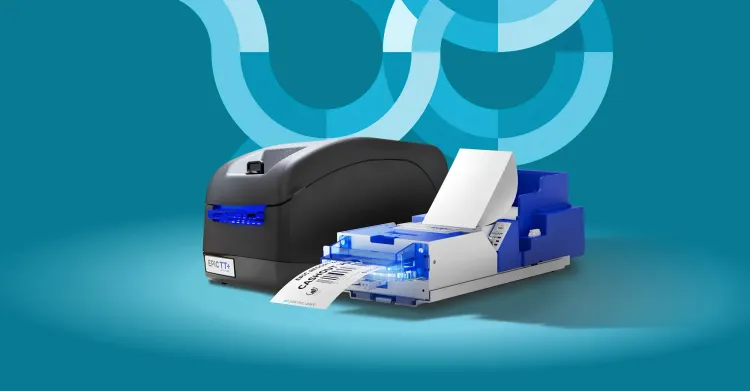
TransAct’s Epic Edge+® TITO printer was built around those floor-level needs. It supports 300 dpi print resolution for sharper tickets and faster validations, along with high-speed USB and Micro SD interfaces for firmware and graphics updates on the floor. It also uses a single interface board with Serial and USB, giving operators one printer designed to work across the floor instead of managing different models for different machines.
Serviceability becomes especially important in a real casino environment, where a small equipment issue can quickly pull staff attention away from the guest experience. Epic Edge+ can be replaced without powering down the machine or disconnecting cables, which helps reduce avoidable disruption when staff are trying to keep the floor moving.
These details rarely define the public story around a redevelopment project. They become more important later, when the property is busy, the floor is active, and staff are trying to keep service issues from interrupting the guest experience. As casino visits become less tied to a single purpose, the floor has to support more varied traffic without adding work for staff or friction for guests. Floor technology plays a practical role in keeping the operation steady as the property around it becomes more active.
In that kind of environment, uptime is not only a maintenance concern. It affects how labor is used, how quickly staff can return attention to guests, and how much operational noise the floor has to absorb during peak periods. A printer replacement that does not require powering down a machine may seem minor from the outside. On a busy floor, it can be the difference between a quick recovery and an interruption that takes a game out of play longer than necessary.
Jacobs Entertainment’s Reno investment stands out because it reflects a long-term view of what a regional casino property can become. CDC Gaming reported that future plans highlighted for the district include a conference space, a pedestrian bridge inspired by the historic Reno arch, a 4,000-seat showroom, and a 55-story, 600-room tower expansion.
Those plans point to a property and district experience that is still expanding. For downtown Reno, the investment adds new ways for people to spend time in the area. For the casino, it places gaming inside a fuller destination experience rather than a single-purpose visit.
From an operational view, that kind of success requires more than capital investment. The casino has to remain dependable as the property becomes more dynamic. Guests may arrive through a concert, a restaurant, a hotel stay, or the broader district experience, but once they reach the floor, the operation still has to feel steady. Staff need systems that help them respond cleanly during those shifts in traffic without turning routine service moments into larger disruptions.
Player engagement changes as the property experience widens. A guest may not walk into the building with gaming as the only purpose of the visit, which makes the moment of engagement on the floor more important. Promotions need to feel timely and relevant to where the player already is, rather than disconnected from the reason that brought them to the property.
TransAct’s Epicentral® promotional bonusing software supports that kind of connection by delivering real-time, custom-designed promotional coupons to players while they play. For operators, the value is not only the promotion itself. It is the ability to connect engagement more closely to the guest’s activity once they are already on the floor.
Jacobs Entertainment’s redevelopment reflects a broader movement in gaming. Regional casino properties are becoming more closely connected to entertainment, hospitality, real estate, public space, and local identity, but that shift does not make the casino floor any less central. If anything, it raises the operational standard because the floor has to perform inside a fuller, less predictable guest experience.
A guest who comes to the property for one reason may end up engaging with several parts of it. The visit can move from entertainment to dining to gaming without feeling like separate decisions. When that happens, the casino floor becomes part of the larger rhythm of the destination, and the operational details behind it have to hold up without drawing attention to themselves.
The link between vision and execution becomes clearest after the guest arrives. Jacobs Entertainment’s investment gives people new reasons to visit downtown Reno, but the operating environment has to help the experience hold together as those guests move through the property and decide how they want to spend their time.
TransAct is proud to support customers working in that kind of environment. Jacobs Entertainment owns the story of its Reno investment, and the value of highlighting it is not to place technology at the center of the narrative. The value is in recognizing the kind of casino environment technology now has to support: active properties, broader guest journeys, and casino floors that need to keep running smoothly while the experience around them becomes more dynamic.
Many operators are moving in this direction in their own markets. Jacobs Entertainment’s Reno investment offers a clear example of how redevelopment, hospitality, entertainment, and gaming can come together as one larger destination strategy when the vision extends beyond the casino floor and the operation is built to support it.
See how TransAct gaming technology helps operators keep the casino floor moving.
Get the latest industry insights delivered straight to your inbox
Browse